

Invasive Plants
Invasive plants are aggressive, non-native species that lack natural predators, allowing them to grow unencumbered. Many invasive species were brought to North America for ornamental purposes, and have since spread rapidly, causing ecological harm.
Why do invasive plants matter?
Invasive plants crowd out native species, resulting in reduced biodiversity, fewer habitats, and diminished sources of food for native wildlife. Invasive plants can be burdensome to remove, and their growth can even damage manmade structures like building foundations.
What should I do about invasive plants?
Do not attempt to remove invasive species from parks. Call 311 or report online. Many invasive species are difficult to remove, and some may have thorns or other irritants. When choosing plants for your yard or garden, choose native species.
Tree of Heaven
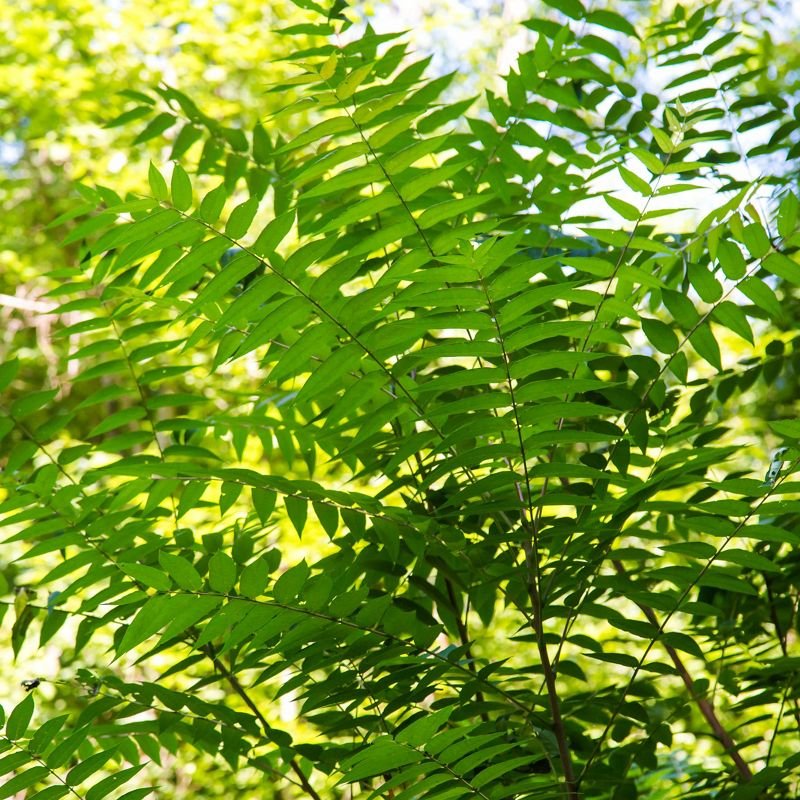
Trees of Heaven were brought to the US from China in the 18th century, and have since become a prominent invasive species. Trees of Heaven reproduce through abundant seed production and grow rapidly. They aggressively crowd out other species by forming dense thickets and releasing compounds into the soil that prohibit the growth of other plants.
Appearance: Smooth, gray bark. Large, compound leaves can span 1-4 feet long with as many as 40 leaflets. Papery pods range from pale yellow-green to orange-pink.
Japanese Knotweed
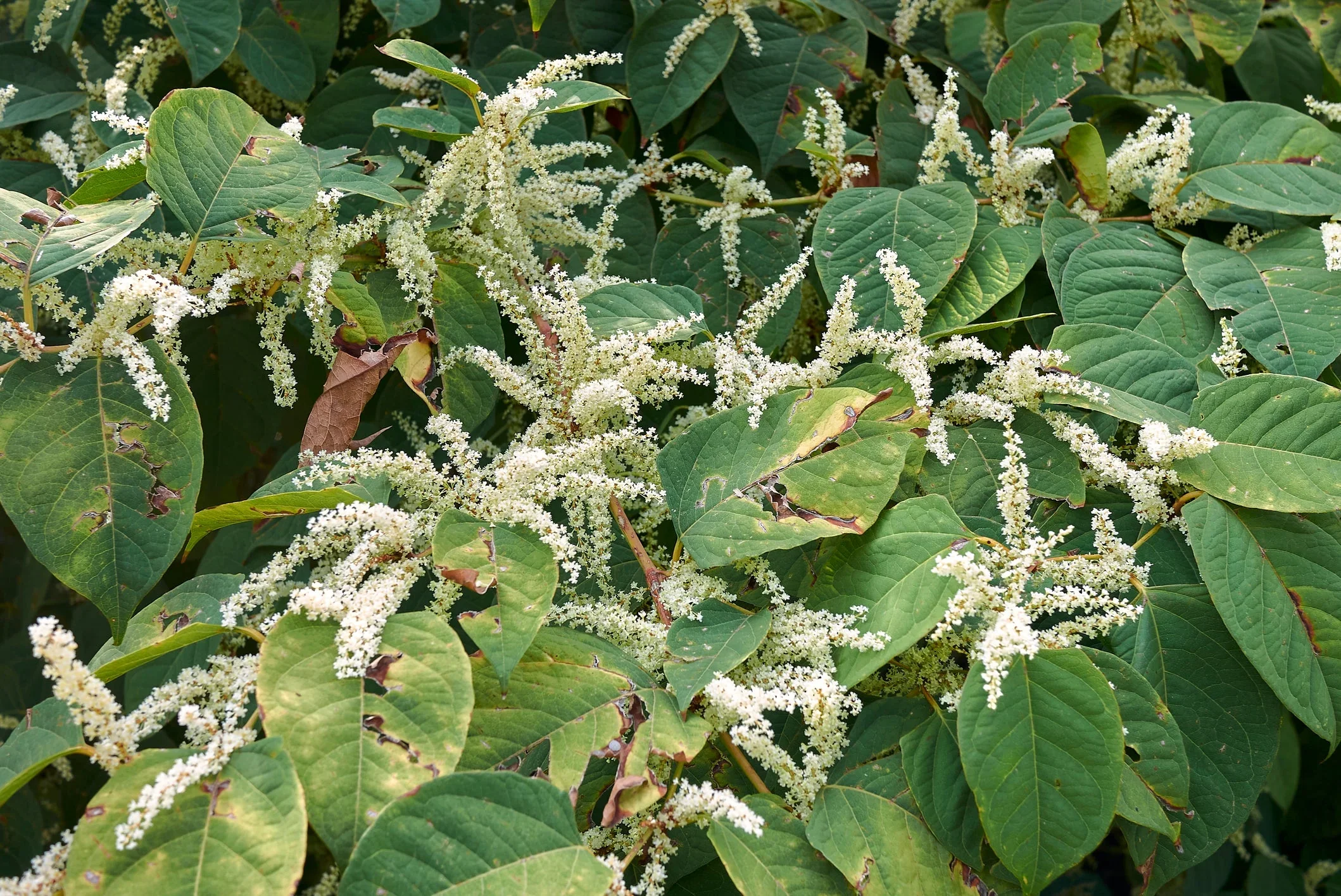
Japanese Knotweed is an herbaceous perennial plant from eastern Asia, brought to North America for horticultural uses in the 19th century. It is highly adaptable and resilient, and is often found in riparian areas, wetlands, and around manmade structures. Japanese knotweed grows rapidly, up to 3 inches per day
Appearance: Clusters of tiny white-to-light green flowers, small triangular seeds, woody, bamboo-like stems, and broad, heart shaped leaves with a flat base.
Purple Loosestrife
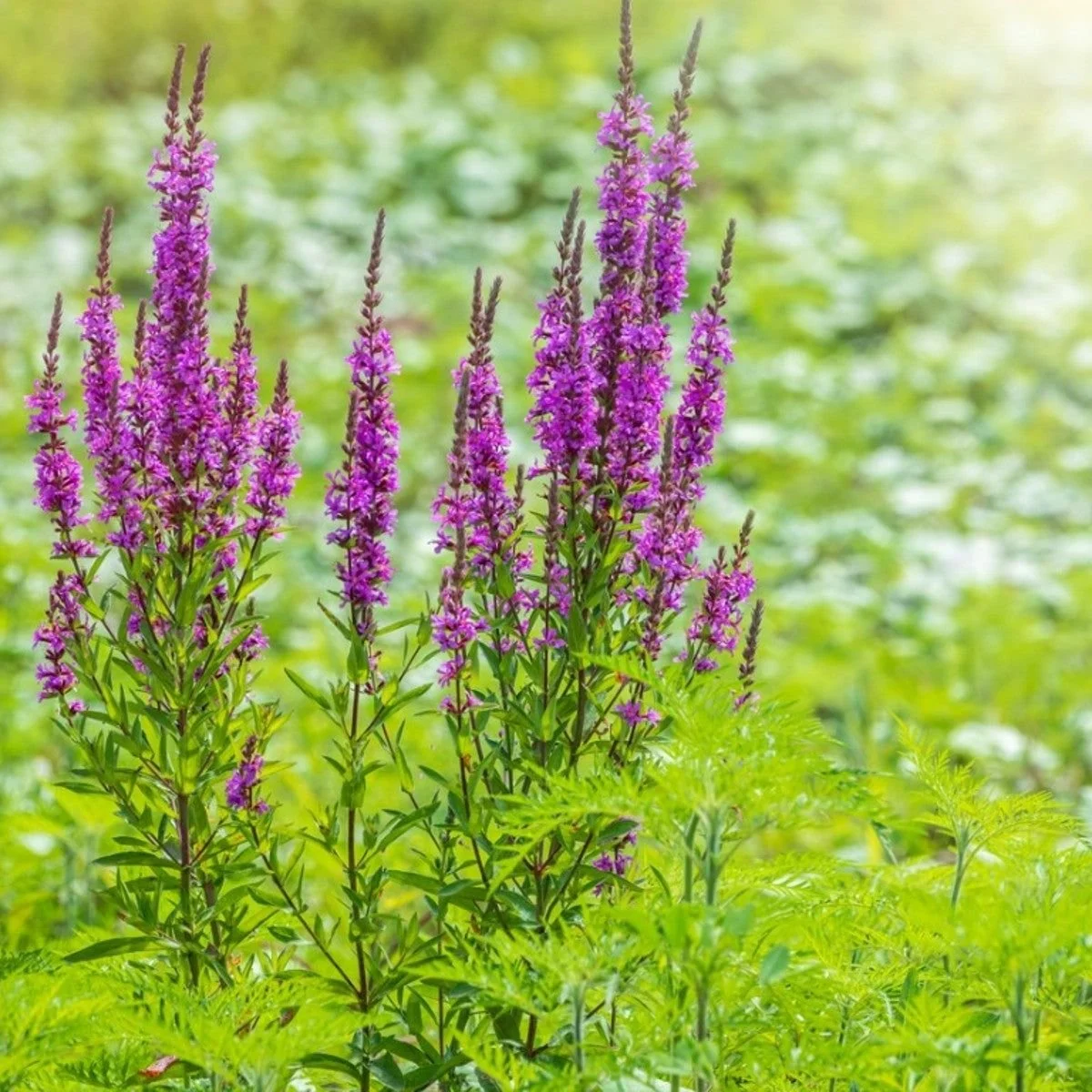
Purple Loosestrife is an herbaceous perennial plant native to Europe. It thrives in wet areas like the riverfront, forming dense clusters that crowd out native plants. Purple Loosestrifes reproduce by dispersing seeds that are spread by water and wildlife.
Appearance: 3-5 feet tall, with long stalks of purple flowers
Japanese Barberry
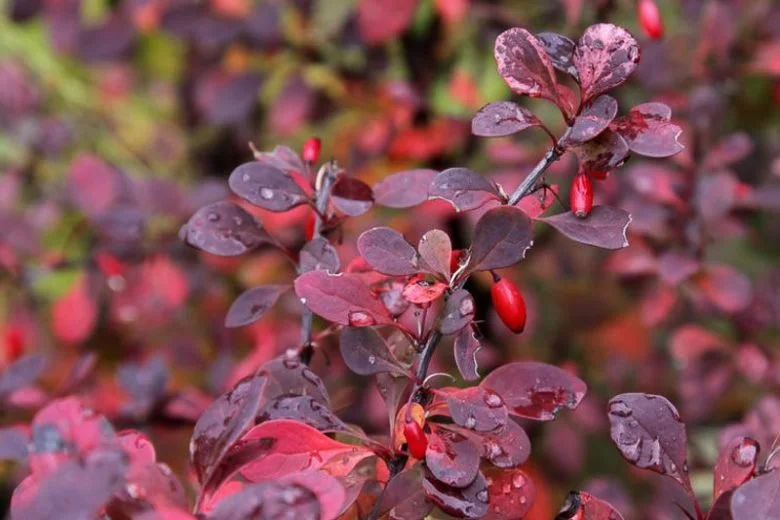
Japanese Barberries are thorny, fruiting shrubs known for their bright red, oblong berries and spoon-shaped leaves that turn from green to red-purple. They are popular landscaping shrubs due to their colorful leaves, but grow in thick groupings that alter the soil composition, making it less hospitable to native species. Additionally, Japanese Knotweed bushes are favorable habitat for deer ticks that can spread illnesses.
Appearance: Small spoon shaped leaves that change from blue-green to red-purple in the fall, shiny, bright red, egg-shaped berries, and pale yellow, cup-like flowers.